Collection: Ingrédients de soins de la peau

Livraison gratuite au Royaume-Uni continental

Expédition le jour même*

127 produits

Filtrer et trier

Affichage de 127 produits sur 127

  • Acide hyaluronique

    Acide hyaluronique

    Prix habituel
    Du €11,95
    Prix soldé
    Du €11,95
    Prix habituel
  • Poudre de Niacinamide

    Poudre de Niacinamide

    Prix habituel
    Du €7,95
    Prix soldé
    Du €7,95
    Prix habituel
  • Panthénol

    Panthénol

    Prix habituel
    Du €4,95
    Prix soldé
    Du €4,95
    Prix habituel
  • Huile de squalane d'olive

    Huile de squalane d'olive

    Prix habituel
    Du €5,95
    Prix soldé
    Du €5,95
    Prix habituel
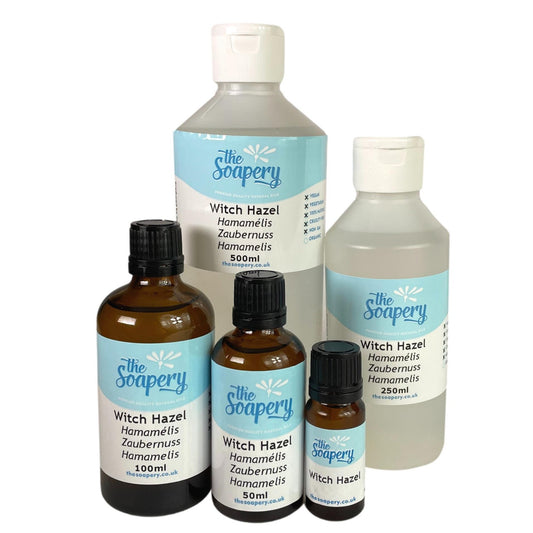
  • Hamamélis

    Hamamélis

    Prix habituel
    Du €4,95
    Prix soldé
    Du €4,95
    Prix habituel
  • Gel d'Aloe Vera

    Gel d'Aloe Vera

    Prix habituel
    Du €4,95
    Prix soldé
    Du €4,95
    Prix habituel
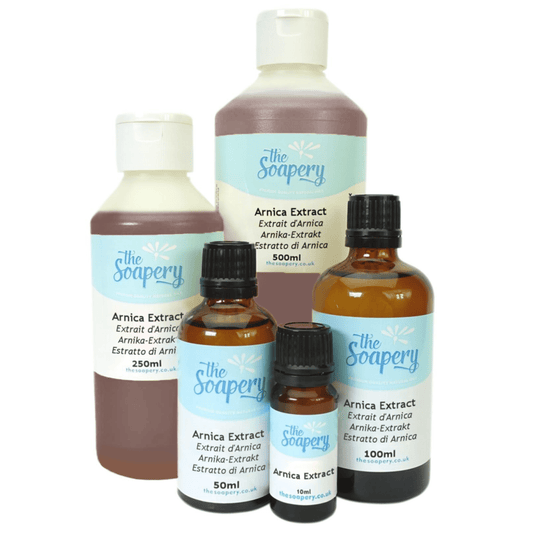
  • Extrait d'Arnica

    Extrait d'Arnica

    Prix habituel
    Du €8,95
    Prix soldé
    Du €8,95
    Prix habituel
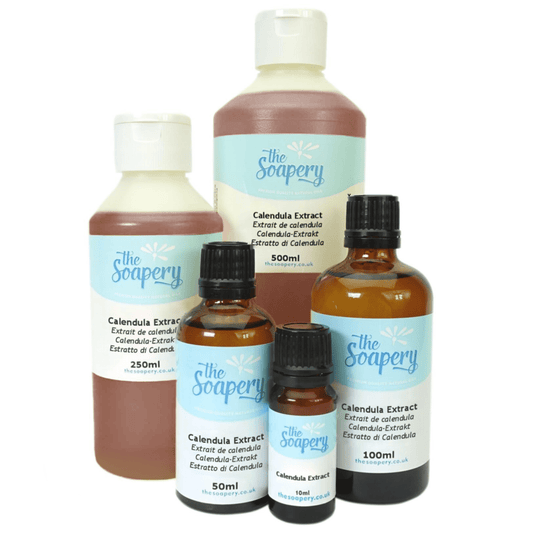
  • Extrait de Calendula

    Extrait de Calendula

    Prix habituel
    Du €6,95
    Prix soldé
    Du €6,95
    Prix habituel
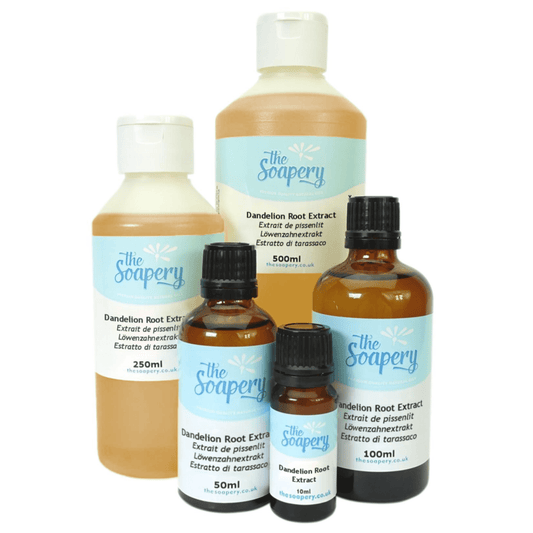
  • Extrait de racine de pissenlit

    Extrait de racine de pissenlit

    Prix habituel
    Du €7,95
    Prix soldé
    Du €7,95
    Prix habituel
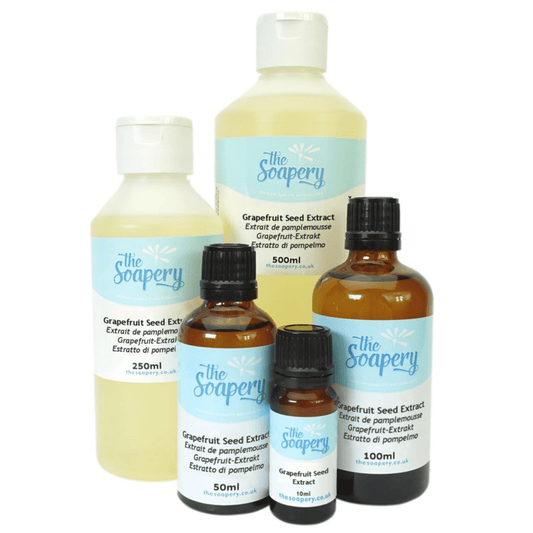
  • Extrait de Pépins de Pamplemousse

    Extrait de Pépins de Pamplemousse

    Prix habituel
    Du €7,95
    Prix soldé
    Du €7,95
    Prix habituel
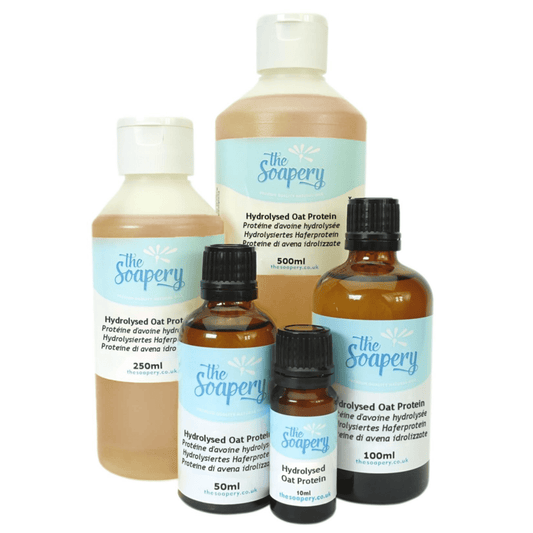
  • Protéine d'avoine hydrolysée

    Protéine d'avoine hydrolysée

    Prix habituel
    Du €6,95
    Prix soldé
    Du €6,95
    Prix habituel
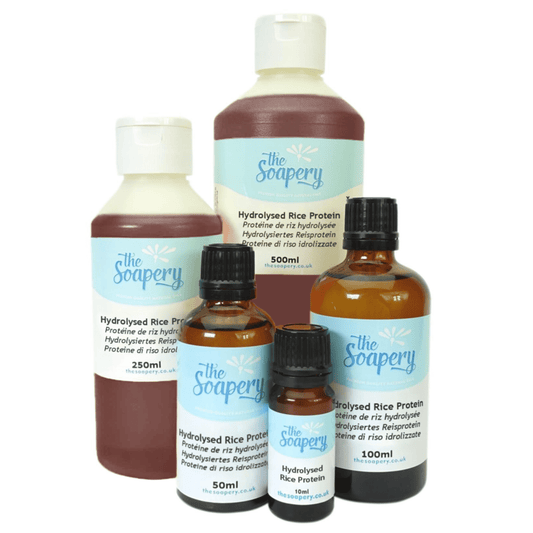
  • Protéine de riz hydrolysée

    Protéine de riz hydrolysée

    Prix habituel
    Du €7,95
    Prix soldé
    Du €7,95
    Prix habituel
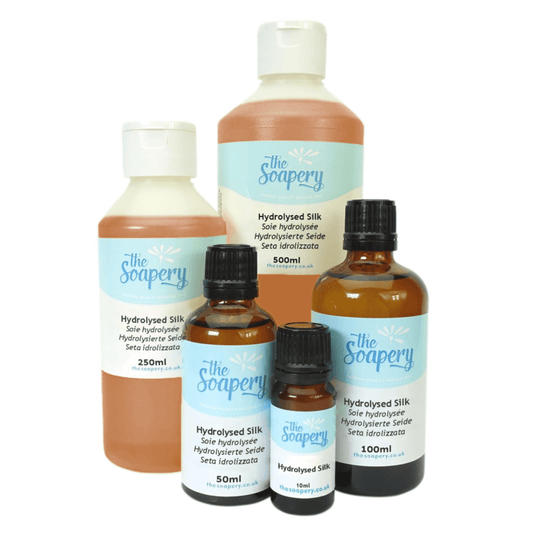
  • Soie Hydrolysée

    Soie Hydrolysée

    Prix habituel
    Du €8,95
    Prix soldé
    Du €8,95
    Prix habituel
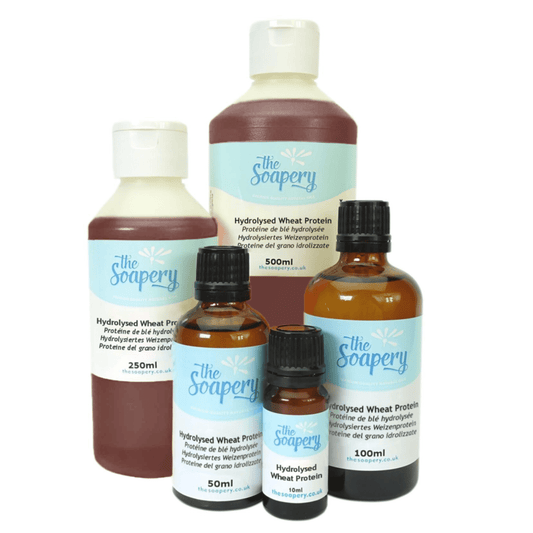
  • Protéine de Blé Hydrolysée

    Protéine de Blé Hydrolysée

    Prix habituel
    Du €7,95
    Prix soldé
    Du €7,95
    Prix habituel
  • Poudre d'Allantoïne

    Poudre d'Allantoïne

    Prix habituel
    Du €3,95
    Prix soldé
    Du €3,95
    Prix habituel

Pourquoi choisir The Soapery ?

  • Livraison gratuite au Royaume-Uni (continent)

    Procurez-vous rapidement vos ingrédients sans frais supplémentaires.

  • Expédition le jour même*

    Commandez avant 15h pour que votre colis soit envoyé le jour même.

  • Prix bas

    Pas de marketing clinquant ni de fausses promesses se traduit par de grandes économies.

  • Fournisseurs éthiques

    Aucun scrupule ici. Nos ingrédients proviennent de sources éthiques et durables.

À propos de Ingrédients de soins de la peau

Un soin réparateur en bouteille ! Apaisez, nourrissez et rajeunissez avec notre sélection d'ingrédients de soin. Des huiles luxuriantes aux plantes aromatiques, nous avons tout ce dont vous avez besoin pour créer et formuler vos meilleures créations à ce jour, des sérums à base d'huile aux hydratants légers comme une plume et au-delà. Parcourez notre collection dès aujourd'hui pour des prix bas et honnêtes, et une livraison rapide et gratuite.

Bienvenue dans le monde des soins de la peau faits main

Il n'y a pas d'étape plus importante dans une routine de beauté quotidienne que les soins de la peau – alors pourquoi est-il si difficile de trouver les bons produits ? Que vous ayez une peau sensible ou que vous ayez la prochaine grande idée de cosmétique destinée à repulper, lisser et polir, les soins de la peau faits main pourraient être la solution que vous recherchez.

Des huiles et beurres aux argiles et plantes, notre sélection d'ingrédients de haute qualité ne manquera pas d'inspirer le spécialiste des soins de la peau qui sommeille en vous. Notre gamme d'ingrédients de soin comprend des ingrédients naturels et des ingrédients spécialisés.

Notre collection comprend des ingrédients naturels et bruts comme le beurre de karité et l'huile de jojoba, ainsi que d'autres ingrédients comme l'acide hyaluronique et la niacinamide. De plus, nous avons tous les conservateurs, émulsifiants, épaississants, humectants et solubilisants dont vous avez besoin pour parfaire votre formule idéale. Il n'y a vraiment pas de meilleur endroit !

Alors que les prix des soins de la peau augmentent, nous sommes là pour maintenir les choses au frais. La collection d'ingrédients de soin de The Soapery ne fait pas exception à notre politique d'honnêteté, ce qui signifie qu'elle ne contient que des ingrédients de la plus haute qualité, listés à des prix entièrement transparents – sans fioritures.

Les tenants et les aboutissants de la fabrication de produits de soin : nos conseils

Créer vos propres mélanges de soins de la peau peut être une expérience brillamment enrichissante – combinant créativité et science cosmétique – mais il est important de l'aborder avec soin et connaissance. Nos meilleurs conseils pour la fabrication de produits de soin résident dans la recherche, la sélection des bons ingrédients et la compréhension de la façon dont ils fonctionnent ensemble.

Avant de préparer une tempête de cosmétiques – ou même de passer votre commande d'ingrédients – il est important de comprendre que tous les ingrédients ne sont pas créés égaux. Afin de créer l'hydratant, le tonique, le baume ou autre le plus efficace, vous devrez savoir comment chacun de vos agents se comporte et comment ils interagissent les uns avec les autres.

Alors lisez ! Mettez en commun vos ressources en matière de soins de la peau, vos connaissances communautaires, vos formulations, vos articles de blog et vos conseils officiels, et assurez-vous une fois pour toutes que les ingrédients que vous avez choisis sont sûrs à utiliser ensemble, et, surtout, sûrs pour la peau.

En approfondissant vos connaissances en matière de soins de la peau, vous acquerrez tout ce dont vous avez besoin pour créer des mélanges de soins de la peau sûrs et efficaces. N'ayez pas peur d'expérimenter avec différents ingrédients et techniques, mais faites-le toujours avec soin et armé de recherches.

CE QUE DISENT NOS CLIENTS

Nous accordons de l'importance à chacun de nos clients

Accréditations/Récompenses

Nous nous engageons à offrir une vaste gamme de produits entièrement naturels et biologiques certifiés par la Soil Association, et nous sommes fiers de contribuer à la protection de notre environnement.

Comme la plupart des ingrédients, les huiles, beurres, poudres et décorations de vos produits faits à la main sont cultivés ou extraits du monde naturel. Ceux qui sont certifiés biologiques par la Soil Association ont été cultivés, produits et récoltés conformément à des réglementations strictes visant à protéger et à maintenir l'environnement, y compris les sols, les écosystèmes, les animaux et les personnes.

Acheter Ingrédients de soins de la peau : FAQ

Vous ne trouvez pas les réponses que vous cherchez ? N'hésitez pas à contacter notre équipe à l'aide de notre formulaire de contact ou sur les réseaux sociaux. Nous serons ravis de vous aider.

How to store skincare ingredients?

When it comes to storing your skincare ingredients, the general rules of fresh storage apply. Think cool, dark, and for the most part, undisturbed spaces designed to protect your ingredients’ contents from light exposure and fluctuating temperatures. 

The container your skincare ingredients are kept in can make a significant difference to their shelf life, potency, and freshness - be sure to double-check they’re sealed tight, whether in their original packaging or a suitable substitute.

Some specialist ingredients may require some further temperature control - aka storage in a fridge. If you go down this route, be sure your container is properly sealed to prevent the transfer of moisture and unwanted smells. 

And remember, when it comes to ingredients like clays and hydrosols, a little goes a long way. So, don't overdo it - keep them fresh for your next creation! 

What are the best carrier oils for making skincare products?

Carrier oils are often thought of as the unsung heroes of the beauty world - and this importance certainly isn’t lost in the realm of skincare recipes! In fact, they can be make or break additions! 

Carrier oils dilute and disperse all elements of your recipe, including fragrance, evenly and safely across the skin, allowing them to sink in and take effect.

For a luxurious, lightweight feel, reach for sweet almond oil or apricot kernel oil. They’re easily absorbed by the skin, and typically a good, mild option for those living with sensitivity. 

For a richer, more nourishing experience, try using coconut oil or cocoa butter. These oils are thicker and more occlusive, which means they'll leave a protective barrier on the skin. They're perfect for those with dry or mature skin.

What are the most common preservatives used in homemade skincare products?

When it comes to preserving your homemade skincare creations, there are a few key players that you'll want to know about. The vast majority (and most effective) of spoilage preventers come in the form of preservatives - most of which are synthetic. One of the most (though not fully) ‘natural’ options available with coverall protection abilities across both water and oil is Geogard Ultra.

Whilst preservatives are the go-to for good reason, there are additional options available to cosmetics makers looking to protect and extend the shelf lives of their products. Moisture-minimising ingredients, like glycerin, for example, can help prevent your products from drying out too quickly, keeping them in top shape for the longest possible time. 

Antioxidants like vitamin E can also play a small role in protecting your creations - boasting a keen ability to fight against rancidity. With this being said, antioxidants alone won’t guarantee your products’ longevity. 

Where to buy skincare ingredients?

There’s a long list of skincare ingredient suppliers out there - meaning choosing the right one can be difficult! When shopping around, our experts recommend using the following checklist:

Does the skincare ingredients supplier offer the type of ingredient you need?

When it comes to skincare, there’s a near-endless list of ingredient categories, types, and options. Be sure to double-check for the exact option your recipe requires, alongside variations including refined/unrefined and quantities. 

Are the ingredients offered high-quality?

The quality of your ingredients will directly affect your finished skincare products. Make sure your chosen product is up to scratch! 

How are the ingredients sourced? 

Skincare ingredients like mica powders and waxes are shipped in from all corners of the world - meaning some can be subject to unethical sourcing practices. Read up on your suppliers’ standards and commitments. 

What shipment costs are incurred?

Buying in bulk? Some skincare items can be heavy to ship. Avoid unexpected costs - ask your supplier about their delivery policies. 

Here at The Soapery, we offer a wide range of natural skincare ingredients perfect for making products including (but not limited to) moisturisers, balms, serums, lotions, scrubs, and more! 

How do I make a homemade facial treatment?

In need of an all-natural skincare remedy? We’ve got just the recipe for you. This simple creation uses just three oils to clear blocked pores and reduce the appearance of impurities. The key ingredients are peach kernel oil (250ml), hemp oil (250ml), and jojoba oil (50ml). To use, simply mix the oils together in a jug and apply a small amount (about the size of a 1p coin) to your face before bed. Be sure to test for sensitivity on a small patch of skin before going ahead with use on the face, and adjust the amount and timing of application as needed. Remember - a little goes a long way, so use sparingly! 

How to add scent to skincare?

When it comes to adding a touch of luxury to your skincare creations, nothing beats the power of scent! And with a little bit of know-how, it's easy to infuse your homemade skincare with a heavenly aroma that will leave both you and your customers enveloped in a full-on sensory experience!

With this being said, when it comes to skincare, any addition to your recipe should be tightly vetted and tested. Most of the time, an essential oil mixed with a skin-appropriate carrier oil is a more mild option than fragrance oils and will work well in terms of scent throw and distribution. Some essential oils even boast skincare benefits of their own. 

Overall, ensure that your chosen scent is skin safe, and pairs well with the rest of the ingredients in your formulation. Double check the maximum percentage ratio allowed for fragrance and essential oil mixes, as some fragrances may not mix well with certain skin types. 

How much does it cost to make skincare products?

Skincare can be costly - whether you’re buying it ‘off the shelf’, or whipping it up yourself. Luckily, there are a few ways to keep prices low, especially when you’re in full control.

Our top advice? When making your own skincare products, keep an eye on your ingredients - some are much pricier than others. For example, if on a budget, you may be able to swap one more expensive essential oil for another. And don't forget about all the affordable botanical ingredients like herbs, seeds, and clays - all of which can add both a touch of luxury and functionality to most products, from facemasks and moisturisers to cleansers and beyond. 

What skincare ingredients to avoid?

When creating skincare- whether following a recipe or formulating from scratch - you want to be sure to steer clear of any ingredients that could be harmful to skin, or cause issues like irritation, redness, and breakouts. This is especially important, after all, the main objective of most skincare products is to maintain or improve skin condition! 

 Of course, everyone has different thresholds (which is why correct labelling is so important!) meaning we can’t give precise advice for each and every ingredient and scenario - but can offer some general guidance. 

On the whole, our making team suggests keeping things mild and natural where possible and effective - helping avoid irritation upfront. This could mean replacing harsh synthetic fragrances with essential oils, or parabens with more gentle preservatives. 

For skincare products to be placed on the face, we also recommend keeping in mind that some heavier, oil-based ingredients can have comedogenic properties - meaning they’re more likely to block the pores and may not be best suited to some if not all skin types in this context. 

If you’re unsure about a new recipe or ingredient, be sure to do your research before purchasing, and patch test thoroughly before use! 

How do you make skincare products?

Whether you're interested in making a moisturiser, cleanser, toner or face mask, the process of creating your own skincare can vary - after all, no two recipes are the same. But don't worry, our experts have some top general tips applicable to everyone and every product:

First and foremost, it's important that you’ve either got a solid recipe to follow, or know your stuff when it comes to ingredients and formulation. This will ensure that your final product is of the highest possible quality, and that your chosen elements - from specialist ingredients to botanicals and beyond - work well together. 

When it comes to tools, a double boiler or microwave-safe container is essential for melting ingredients like shea butter or coconut oil. Spatulas and mixing bowls work for blending carrier oils such as jojoba or rosehip with essential oils like tea tree or lavender. Droppers will make measuring liquid ingredients a breeze, and small, airtight containers are perfect for storing your finished product. However, if you're planning on making bigger batches or more specific products, you may need more specialised equipment such as pH test strips or a scale to weigh ingredients with added precision.

Can I make my own cleanser?

Making your own cleanser is a great way to tailor your skincare to your specific needs. Of course – the best possible results come from following tried and tested recipes. 

Most homemade cleanser recipes recommend formulating with a variety of oils, clays, waxes, and vitamins, each offering unique benefits like moisturising, exfoliating, and nourishing the skin. They generally avoid the unwanted chemicals and fragrances found in many commercial products.

The Soapery’s homemade cleanser recipe is a great starting point for those looking to get into cleanser creation. Why not take a look?