Collection: Ingrédients du shampooing

Livraison gratuite au Royaume-Uni continental

Expédition le jour même*

82 produits

Filtrer et trier

Affichage de 82 produits sur 82

  • Shampooing Base Liquide - Bio

    Shampooing Base Liquide - Bio

    Prix habituel
    Du €8,95
    Prix soldé
    Du €8,95
    Prix habituel
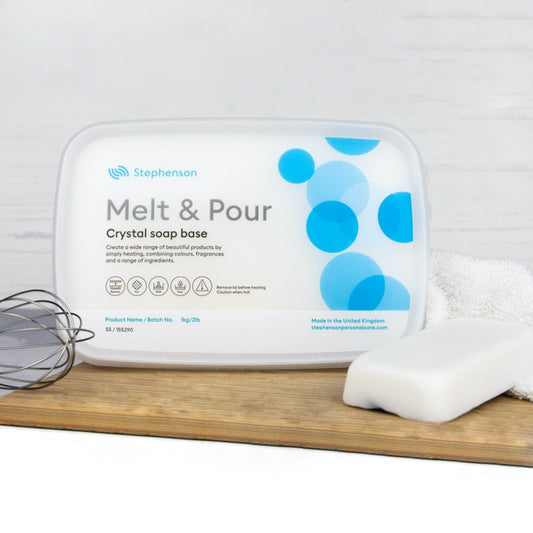
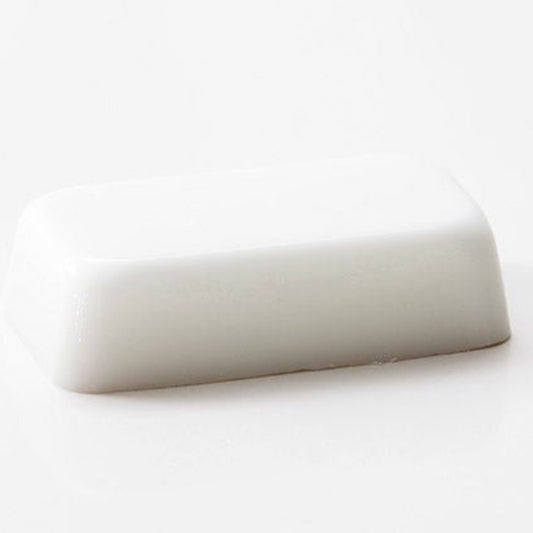
  • Base de shampooing solide fondre et verser

    Base de shampooing solide fondre et verser

    Prix habituel
    Du €12,95
    Prix soldé
    Du €12,95
    Prix habituel
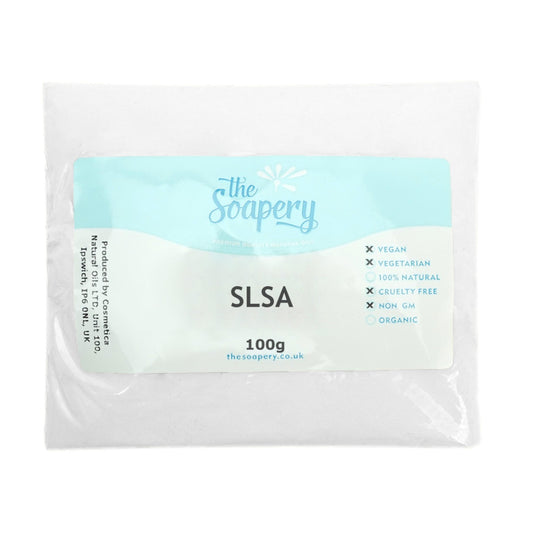
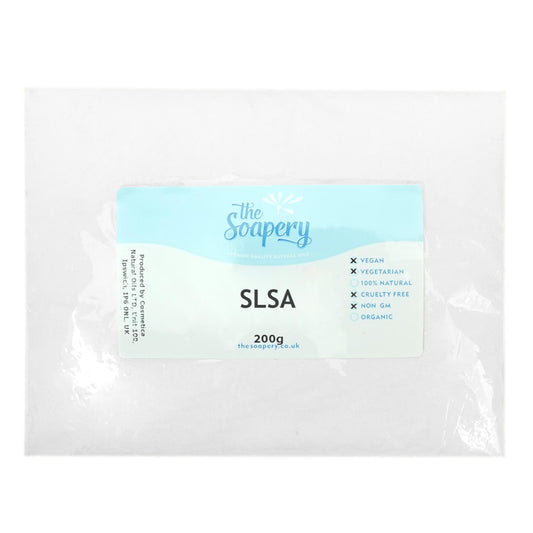
  • SLSA - Sodium Lauryl Sulfoacetate

    SLSA - Sodium Lauryl Sulfoacetate

    Prix habituel
    Du €7,95
    Prix soldé
    Du €7,95
    Prix habituel
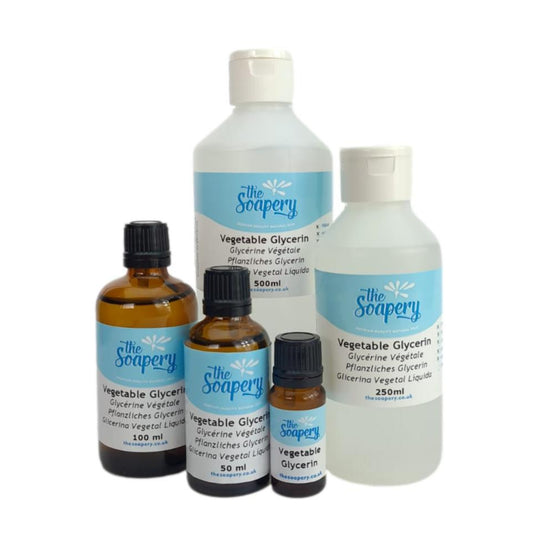
  • Glycérine végétale

    Glycérine végétale

    Prix habituel
    Du €4,95
    Prix soldé
    Du €4,95
    Prix habituel
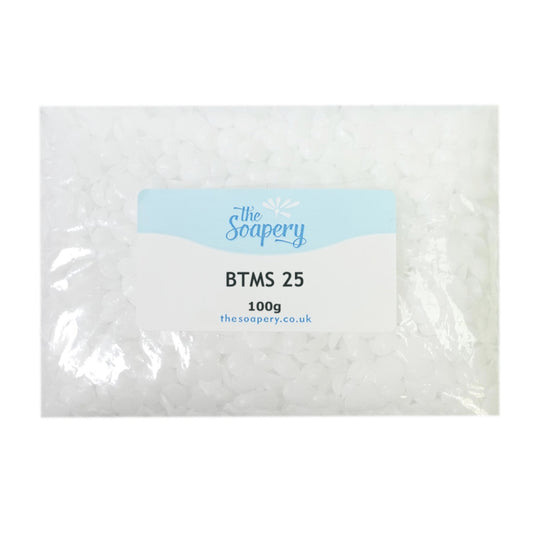
  • BTMS 25

    BTMS 25

    Prix habituel
    Du €5,95
    Prix soldé
    Du €5,95
    Prix habituel
  • BTMS 50 à 10 kg

    BTMS 50 à 10 kg

    Prix habituel
    Du €10,95
    Prix soldé
    Du €10,95
    Prix habituel
  • Kératine hydrolysée

    Kératine hydrolysée

    Prix habituel
    Du €8,95
    Prix soldé
    Du €8,95
    Prix habituel
  • Protéine d'avoine hydrolysée

    Protéine d'avoine hydrolysée

    Prix habituel
    Du €6,95
    Prix soldé
    Du €6,95
    Prix habituel
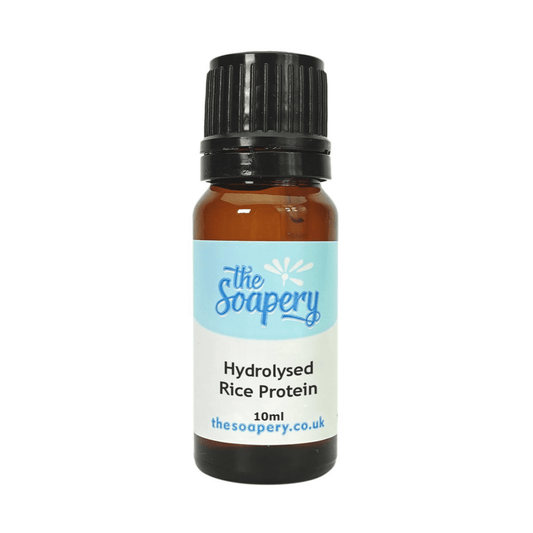
  • Protéine de riz hydrolysée

    Protéine de riz hydrolysée

    Prix habituel
    Du €7,95
    Prix soldé
    Du €7,95
    Prix habituel
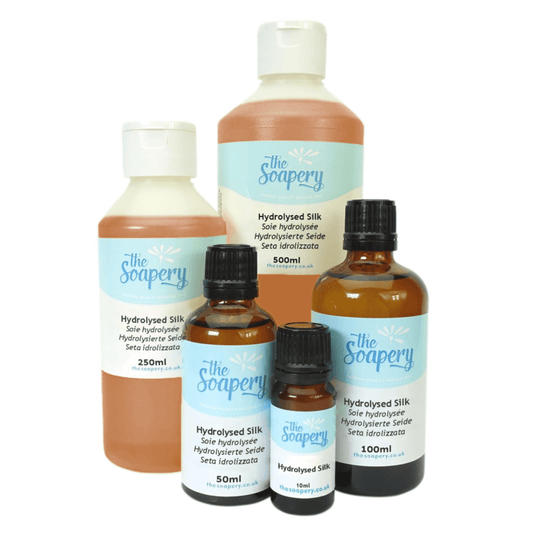
  • Soie Hydrolysée

    Soie Hydrolysée

    Prix habituel
    Du €8,95
    Prix soldé
    Du €8,95
    Prix habituel
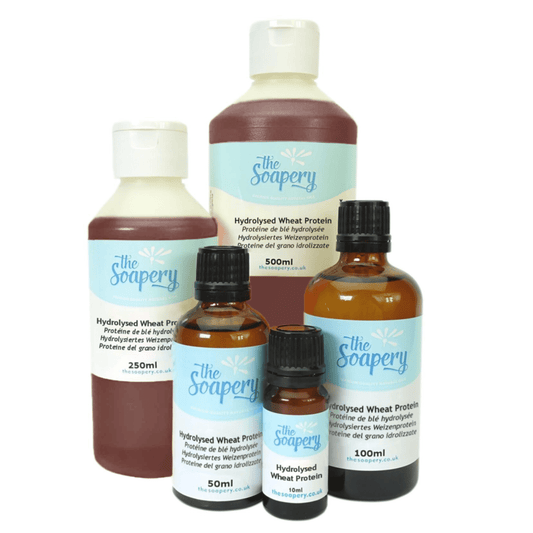
  • Protéine de Blé Hydrolysée

    Protéine de Blé Hydrolysée

    Prix habituel
    Du €7,95
    Prix soldé
    Du €7,95
    Prix habituel
  • Kératine Végétale Hydrolysée

    Kératine Végétale Hydrolysée

    Prix habituel
    Du €7,95
    Prix soldé
    Du €7,95
    Prix habituel
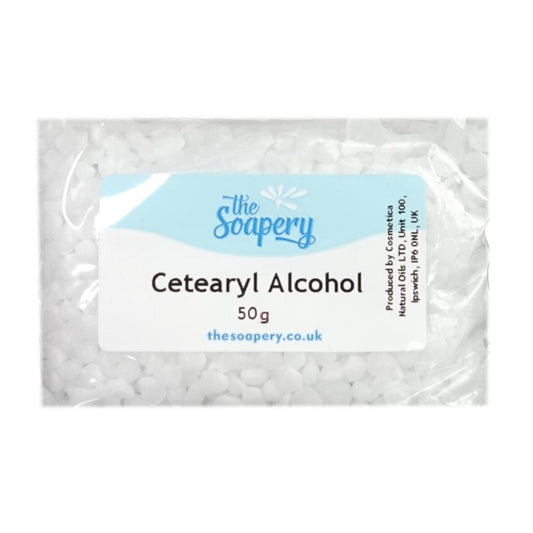
  • Alcool cétéarylique

    Alcool cétéarylique

    Prix habituel
    Du €3,95
    Prix soldé
    Du €3,95
    Prix habituel
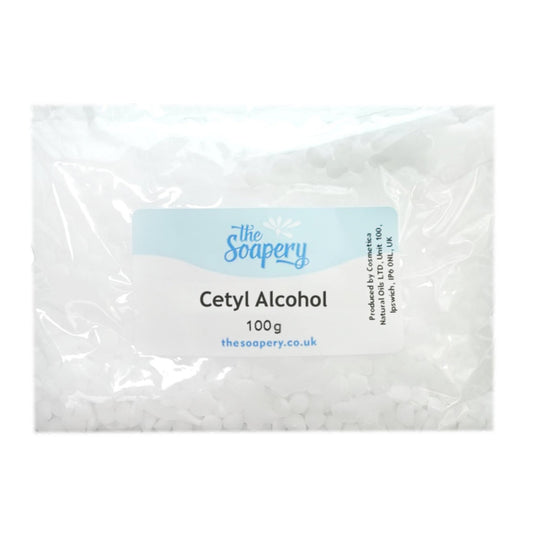
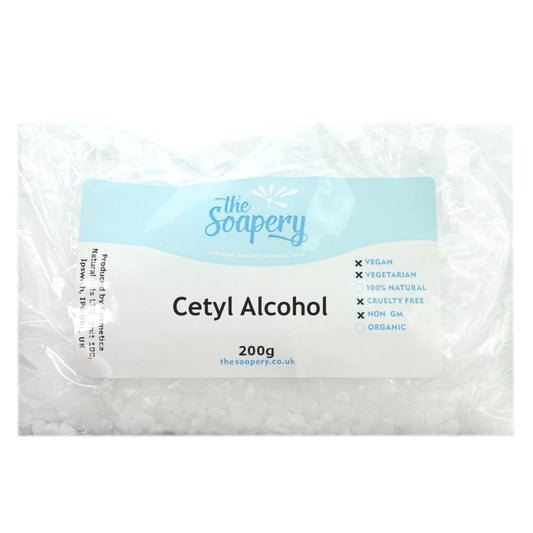
  • Alcool cétylique

    Alcool cétylique

    Prix habituel
    Du €4,95
    Prix soldé
    Du €4,95
    Prix habituel
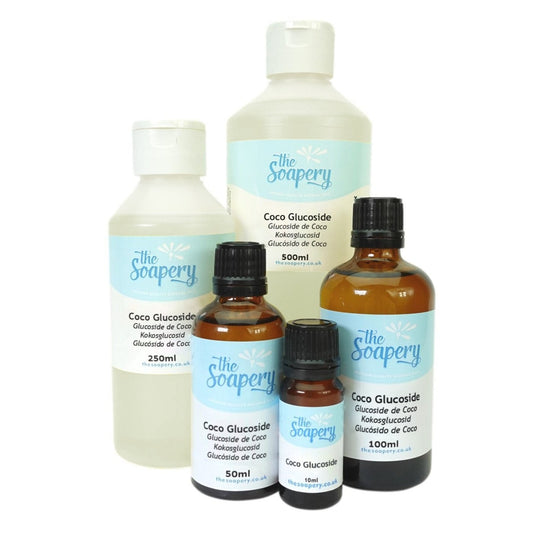
  • Coco Glucoside

    Coco Glucoside

    Prix habituel
    Du €3,95
    Prix soldé
    Du €3,95
    Prix habituel

Pourquoi choisir The Soapery ?

  • Livraison gratuite au Royaume-Uni (continent)

    Procurez-vous rapidement vos ingrédients sans frais supplémentaires.

  • Expédition le jour même*

    Commandez avant 15h pour que votre colis soit envoyé le jour même.

  • Prix bas

    Pas de marketing clinquant ni de fausses promesses se traduit par de grandes économies.

  • Fournisseurs éthiques

    Aucun scrupule ici. Nos ingrédients proviennent de sources éthiques et durables.

À propos de Ingrédients du shampooing

Fatigué des shampoings du commerce ? Pourquoi ne pas garder des cheveux sains avec des formules maison ? Notre boutique en ligne contient tous les ingrédients dont vous aurez besoin pour concocter le shampoing parfait - des barres solides aux liquides moussants. Il vous suffit de parcourir notre sélection, d'ajouter les articles à votre panier, et de profiter d'une livraison rapide et gratuite directement à votre porte !

Bienvenue dans le monde du shampoing fait main : Comprendre les ingrédients du shampoing

Chez The Soapery, nous savons que trouver un bon produit capillaire n'est pas une mince affaire. C'est pourquoi nous sommes si passionnés par le fait de donner à nos créateurs les moyens de prendre en charge leurs cheveux, du cuir chevelu aux pointes, avec des soins capillaires entièrement naturels et faits main.

Notre sélection d'huiles naturelles, de beurres, d'huiles essentielles et d'autres ingrédients clés est parfaite pour fabriquer vos propres produits de soins capillaires. Votre type de cheveux est aussi unique que votre empreinte digitale - alors pourquoi suivre la tendance en matière de shampoing, surtout quand le faire soi-même est aussi simple que possible ?

En prenant soin de vos cheveux par vous-même, vous pourrez sélectionner les meilleurs ingrédients pour vous - que vous combattiez un cuir chevelu sensible ou que vous ayez besoin d'un supplément d'hydratation. Certains ingrédients nocifs présents dans les shampoings commerciaux, tels que l'alcool isopropylique et la vaseline, peuvent priver vos cheveux et votre cuir chevelu de leur humidité, entraînant une peau sèche et des cheveux cassants.

Nos ingrédients de shampoing sont parfaits pour créer des alternatives de soins capillaires plus naturelles qui bénéficient aux cheveux abîmés, aux cheveux crépus, aux cheveux gras et aux cheveux fins. Ils peuvent également être utilisés pour créer des produits cosmétiques afin de renforcer les follicules pileux, d'améliorer la pousse des cheveux, de protéger la cuticule capillaire et de favoriser des cheveux sains en général !

Issus des meilleurs fournisseurs du monde entier, nos ingrédients pour la fabrication de shampoings sont à la pointe de tout ce qui concerne les soins capillaires naturels. Des bases prêtes à l'emploi parfaites pour une fabrication en un clin d'œil aux agents moussants doux et bien plus encore, vous trouverez ici tout ce dont vous avez besoin pour offrir le meilleur à vos cheveux. Pas de produits chimiques agressifs, de synthétiques ou de substances nocives.

Les tenants et aboutissants de la fabrication de shampoing avec des ingrédients naturels : Nos conseils

Mousse, parfums et science - chez The Soapery, nous misons tout sur les soins capillaires personnalisés !

La fabrication de shampoing est l'un des meilleurs moyens d'améliorer votre routine de soins capillaires. Avec un peu de savoir-faire, vous pourrez créer vos propres recettes personnalisées - des pains de shampoing nettoyants en profondeur aux crèmes volumatrices et bien plus encore.

Quels que soient les besoins de vos cheveux et de votre cuir chevelu, il existe un ingrédient qui peut vous aider à les satisfaire ! De nos ingrédients naturels comme les huiles essentielles, l'huile de coco et l'huile d'argan aux ingrédients de shampoing avancés comme l'alcool cétéarylique et la kératine, nous avons tout ce dont vous avez besoin pour créer des shampoings naturels et efficaces.

Mais par où commencer ? Tout d'abord, il est important de comprendre les ingrédients de base qui entrent dans la composition du shampoing. Des agents moussants comme le SLSA aux hydratants comme la glycérine, les options sont infinies - et plus vous les maîtrisez, meilleure sera votre formulation. Vous aurez également besoin d'outils de base comme un bol mélangeur, des tasses à mesurer et une source de chaleur pour commencer.

Le conseil préféré de nos fabricants de shampoing est simple : commencez simplement ! Si vous êtes nouveau dans le monde des soins capillaires faits main, commencez par une recette facile à suivre avant de vous lancer dans l'expérimentation capillaire - en vous assurant d'avoir d'abord les bases. Vous n'êtes pas un grand fan du processus initial ? Pourquoi ne pas essayer l'une de nos bases de shampoing prêtes à l'emploi ? Il y a vraiment une option pour tout le monde.

Et n'oubliez pas, la clé d'un excellent shampoing ne réside pas seulement dans vos techniques ou votre recette, mais aussi dans la qualité de vos ingrédients. Assurez-vous d'acheter le meilleur pour votre projet, et de grands résultats finaux suivront.

CE QUE DISENT NOS CLIENTS

Nous accordons de l'importance à chacun de nos clients

Accréditations/Récompenses

Nous nous engageons à offrir une vaste gamme de produits entièrement naturels et biologiques certifiés par la Soil Association, et nous sommes fiers de contribuer à la protection de notre environnement.

Comme la plupart des ingrédients, les huiles, beurres, poudres et décorations de vos produits faits à la main sont cultivés ou extraits du monde naturel. Ceux qui sont certifiés biologiques par la Soil Association ont été cultivés, produits et récoltés conformément à des réglementations strictes visant à protéger et à maintenir l'environnement, y compris les sols, les écosystèmes, les animaux et les personnes.

Acheter Ingrédients du shampooing : FAQ

Vous ne trouvez pas les réponses que vous cherchez ? N'hésitez pas à contacter notre équipe à l'aide de notre formulaire de contact ou sur les réseaux sociaux. Nous serons ravis de vous aider.

Is homemade shampoo better than store-bought shampoo?

Homemade shampoo gives you the freedom to mix and match ingredients that suit your hair's unique needs. They can be especially appealing if you're leaning towards a more natural, chemical-free lifestyle – especially if you’ve got a good list of recipes to follow. 

Shop-bought shampoos are generally convenient, consistently formulated, and backed by scientific research, catering to a wide range of hair concerns. With this said, some of their ingredients can be harsh. 

In the end, it's about what feels right for your hair and lifestyle. Whether it's the natural charm of a homemade blend or the cost-effectiveness of a store-bought product, the choice is a personal one.

Does solid shampoo work?

Put simply, solid shampoo works just as liquid shampoo in most cases because it contains the same types of ingredients. Both contain surfactants - a substance that helps to remove dirt and oil from the hair - one in solid form, and one in liquid. In the case of the former, all you’ll have to do is lather up and apply to the hair, just like liquid shampoo. In both cases, the process of lathering helps create foam and distribute the shampoo throughout the hair. Additionally, solid shampoos often contain conditioning ingredients, like oils and butters, that help to nourish and moisturise the hair, just like liquid shampoos.

Solid shampoos are a brilliant option for those looking to reduce their impact on the environment, as they require no plastic bottles for storage. Simply lather, clean, and go! 

Why are parabens bad for hair?

Parabens are a common form of cosmetic preservatives seen in store-bought shampoos all over the world. Their main role in haircare formulations is to extend shelf lives - protecting against the growth of microbes and bacteria often seen in humid environments like bathrooms and showers. 

As great as their abilities sound, parabens have been known to penetrate the protective barriers of the hair shaft, potentially disrupting the delicate ecosystem of scalps and strands everywhere. 

The good news is that there are plenty of more natural preservative options, such as Geogard Ultra, out there. Why not browse our shampoo-specific collection above?

How to make shampoo using a shampoo base?

Creating your own shampoo using a base is a breeze! Our makers love getting creative - but how exactly do they take their products from ready-made to bespoke? 

After selecting your desired shampoo base, whether solid or liquid, our team recommend heating and mixing in your desired fragrances and essential oils, remembering a little goes a long way! 

Mix it all together, and voila! You've concocted your very own custom shampoo, perfect for sudsing up and smoothing out your locks. Of course, this guidance is just general - be sure to follow a full recipe with ratios and processes for the best possible results! 

Is it cheaper to make your own shampoo?

Making your own shampoo can be a brilliant-cost saving alternative to buying in-store. Why? Well, crafting your own haircare products is much more simple than most people might think!

You’ll be able to buy your base ingredients - either separately or pre-mixed, with relative ease. Most basic options are relatively inexpensive, plus, you’ll be able to buy in bulk - cutting your cost per bottle, and even per wash! As with most products, making in big batches can be hugely cost-effective. 

In addition to this, you won’t have to pay for the packaging, branding, or marketing costs factored into mass-produced shampoo - but the benefits don’t end there. You’ll also have full creative control over your own products, meaning everything from the ingredients and properties to the final scent is down to you!

What ingredient in shampoo causes build-up?

When it comes to haircare - particularly when creating your own formulations, it’s very important to be mindful of your chosen ingredients and their effects - as some can prove more detrimental than they are useful! One thing to keep in mind when writing up your next recipe is build-up - a common cause of flat, lifeless, and unhealthy-looking hair. 

The most common buildup ingredient offender is silicone, often found in conventional shampoos. Whilst great for smoothing, detangling, and volumising, this additive can leave a stubborn, heavy residue prone to weighing down locks for months or years at a time. Another culprit is sulphates - known for stripping hair of its natural oils, leaving it dry and prone to buildup. 

As unfortunate as this information is, don’t despair! There are plenty of ingredients out there able to be washed off just as easily as they were applied. 

Is SLS bad for hair?

SLS, or Sodium Lauryl Sulfate, is big business in the commercial shampoo world. It’s commonly seen in ingredients lists acting as everything from a foaming agent to a surfactant - but, despite its wondrous bubbling abilities, can be incredibly harsh on hair and skin. 

In short, SLS’s main downsides come in the form of its drying nature. Whilst it’s great at lathering up and stripping away dirt, it’s also a little too good at removing the hair’s natural oils, causing damage to the protective cuticle layer. This can lead to dry, frizzy, and brittle hair more prone to breakage. To add to this, some people suffer SLS sensitivity, meaning it can cause issues not only for their hair, but also their scalp and skin - leading to anything from redness to skin irritation.  

Many of our makers have chosen to go SLS-free! Why not opt to create your own shampoo with natural ingredients perfect for keeping hair and skin in tip-top condition?

How to make shampoo lather more?

Whilst shampoo making might seem like a relatively simple process, there’s one element that can be a little tricky to perfect - lather. In order to mimic the lush, frothy suds of store-bought shampoos, you’ll need to get your ingredient ratios just right. Foaming agents are a good place to start - but be sure to keep things as natural and mild as possible. Whilst SLS may provide great results, it’s known to be very harsh on the hair. Try swapping it out for SLSA for a gentler bubbly boost! 

How to scent homemade shampoos?

Whipping up a homemade shampoo? Adding a scent is the perfect finishing touch. Essential oils are a popular choice thanks to the wide range of aromas they offer! Remember to double-check the amount of oil your recipe requires – a few drops go a long way! Always do a patch test first to ensure there's no allergic reaction.

Why not try refreshing scents like peppermint, tea tree, or lemongrass for an early morning pick-me-up, or calming lavender for those all-important relaxing evening showers?

What is SLSA?

SLSA is a gentle, natural surfactant that provides a rich, stable lather in bath bombs, shampoos and other cosmetics. In the soap and cosmetics making community, it’s gained a positive reputation thanks to its mildness - making it a good alternative to SLS for many ‘sensitive skin’ recipes. These properties are carried over from its coconut and palm oil base - both of which contribute to its ability to produce a thick, creamy lather. 

Appearance-wise, this surfactant is a white powder relatively fine in grain size - think somewhere between bicarbonate of soda and citric acid.